
Wingers: Stay Wide, Stay Patient, Stay Annoying
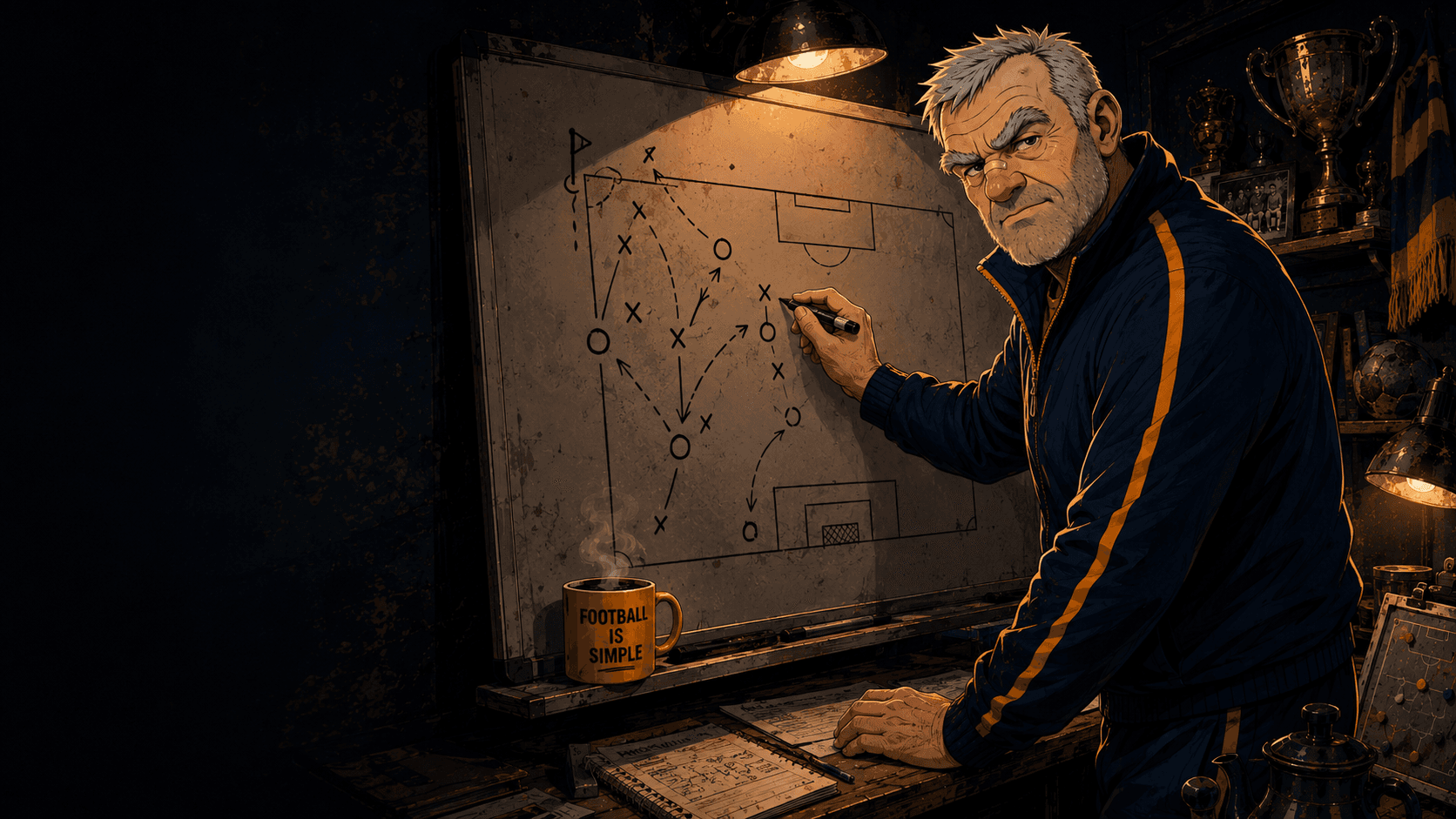
The winger role in football has split into two jobs that look the same and do opposite things, and picking the wrong one clogs your whole team up.
The old-fashioned winger hugs the touchline, takes his man on, and gets to the byline to cross or cut it back. The modern "inverted" winger drifts inside off the wing to shoot or combine through the middle. Both are valid. But a touchline winger stretches the pitch and gives everyone else room, while an inverted one who drifts in too early just crowds the exact area your striker wants. Know which you've built, and don't let a wide kid become a third striker by accident.
Garrincha — the great Brazilian — was the touchline kind, and a dying breed even then: beat his full-back, get to the line, cross. Defenders knew exactly what was coming and still couldn't stop it, because width plus a beaten man is murder to defend. That's the version I'd teach a young team first, every time.
The trade-off with the inverted winger is space: he might score more himself, but he surrenders the width that makes the rest of the team tick. At grassroots, where space is gold and most kids already drift toward the ball, you usually want them holding the line, not adding to the swarm.
Monday, the cue that fixes the fastest-kid-runs-into-traffic problem: "stay wide until you can see the goal." Keep your winger on the line, overlapping full-back outside him, width held across the team, and only let him come inside when there's a clear path. Patient and annoying beats fast and wasteful.
Ask the Gaffer which kind of winger your wide kid should be. We go again.
Part of
Player Roles & Set Pieces →